
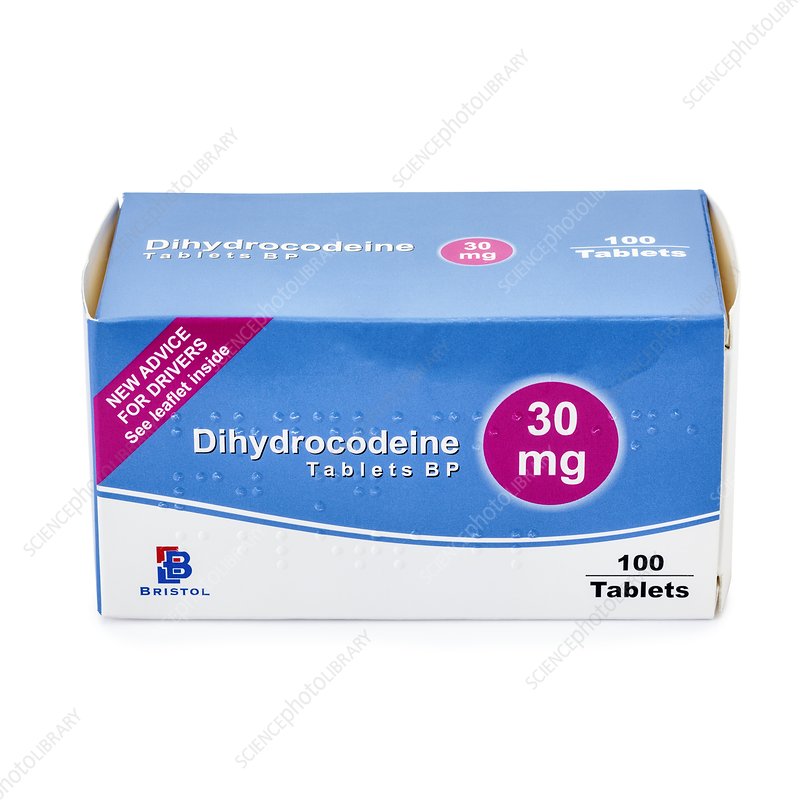


Dihydrocodeine: Uses, Benefits, and Precautions
Dihydrocodeine is a prescription opioid medication primarily used to manage moderate to severe pain. It belongs to the class of drugs known as narcotic analgesics and works by binding to opioid receptors in the brain and spinal cord, altering the perception of pain. This makes it effective for conditions such as post-surgical pain, chronic pain, and sometimes severe coughs.
The medication is available in various forms, including tablets, capsules, and liquid solutions. Dosage is carefully tailored by healthcare providers, as improper use can lead to dependence or serious side effects. Common side effects may include drowsiness, nausea, constipation, and dizziness. Because of its sedative effects, patients are advised not to drive or operate heavy machinery while taking it.
Dihydrocodeine should always be used under strict medical supervision, especially for individuals with a history of substance misuse, respiratory issues, or liver and kidney problems. Abrupt discontinuation after long-term use may cause withdrawal symptoms, so gradual tapering is recommended.
In conclusion, dihydrocodeine is a powerful tool for pain management when used responsibly. Awareness of its potential risks and following a healthcare provider’s guidance ensures safe and effective relief.
Be the first to review “Buy Dihydrocodeine Online”
Related products




Cough, Cold & Flu


Pain

Reviews
There are no reviews yet.