



Understanding Codeine Phosphate: Uses, Benefits, and Precautions
Codeine phosphate is a widely prescribed opioid medication primarily used to relieve mild to moderate pain and suppress persistent cough. As a derivative of opium, it works by binding to specific receptors in the brain and spinal cord, altering the perception of pain and reducing the urge to cough.
This medication is often combined with other analgesics like paracetamol or ibuprofen to enhance pain relief. It can be effective for conditions such as post-surgical pain, chronic pain disorders, and severe coughs associated with respiratory illnesses.
Despite its therapeutic benefits, codeine phosphate must be used with caution. Common side effects include drowsiness, constipation, nausea, and dizziness. Misuse or prolonged use can lead to dependency or addiction, as it is a controlled substance in many countries. Therefore, it should always be taken exactly as prescribed by a healthcare professional.
Patients with liver or kidney issues, respiratory conditions, or a history of substance abuse should discuss their medical history with a doctor before use. Avoid alcohol while taking codeine, as it can increase drowsiness and risk of complications.
In summary, codeine phosphate is an effective pain and cough management option when used responsibly, but awareness of its potential risks is essential for safe use.
Be the first to review “Buy Codeine Phosphate Online”
Related products

Allergy & Hayfever

Allergy & Hayfever

Allergy & Hayfever

Allergy & Hayfever
BELL’S OTC medicines cough & cold remedies children’s cough relief 200ml

Allergy & Hayfever
CARE OTC medicines cough & cold simple linctus paediatric s/f 200ml

Allergy & Hayfever
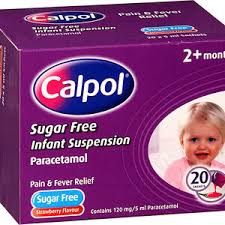
CALPOL infant suspension sugar & colour free 120mg/5ml 100ml

Allergy & Hayfever
Allergy & Hayfever
Reviews
There are no reviews yet.